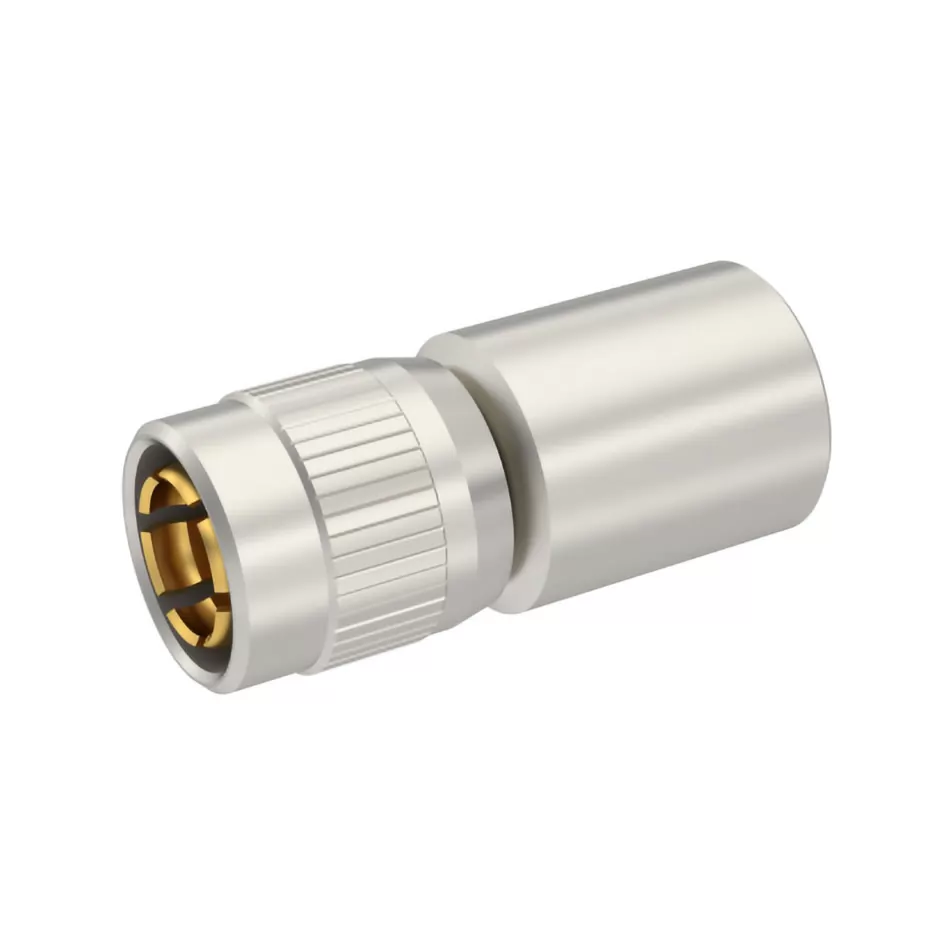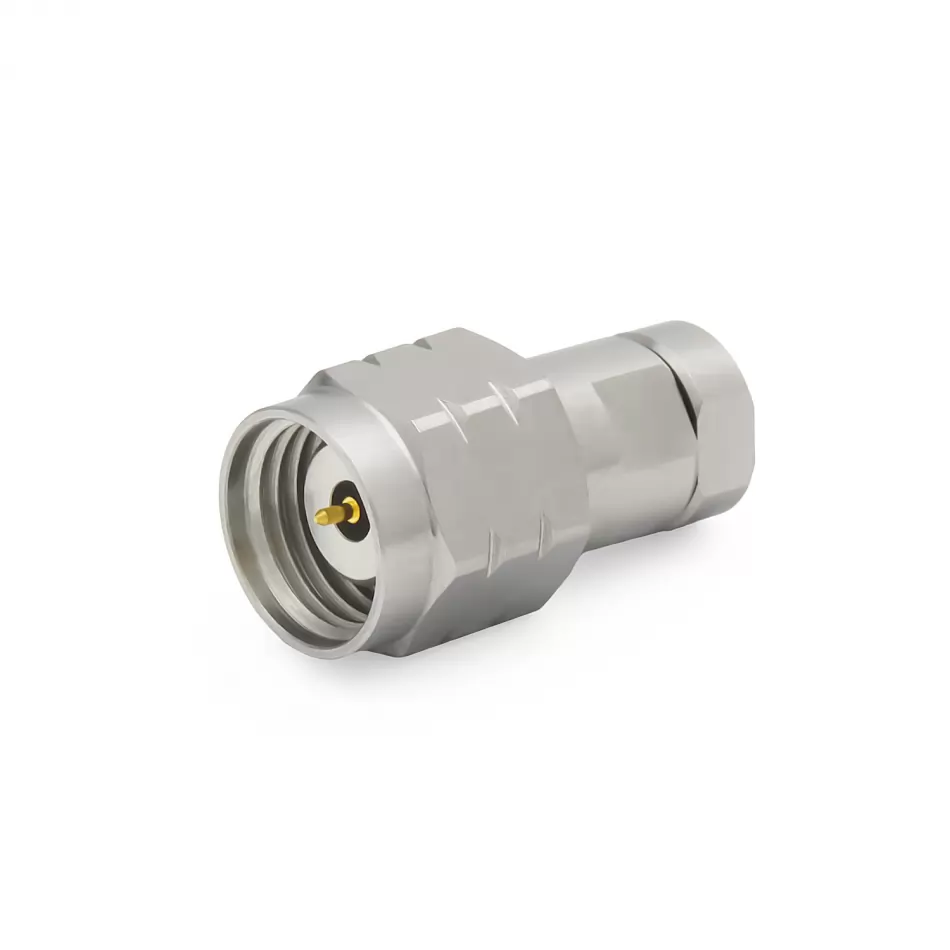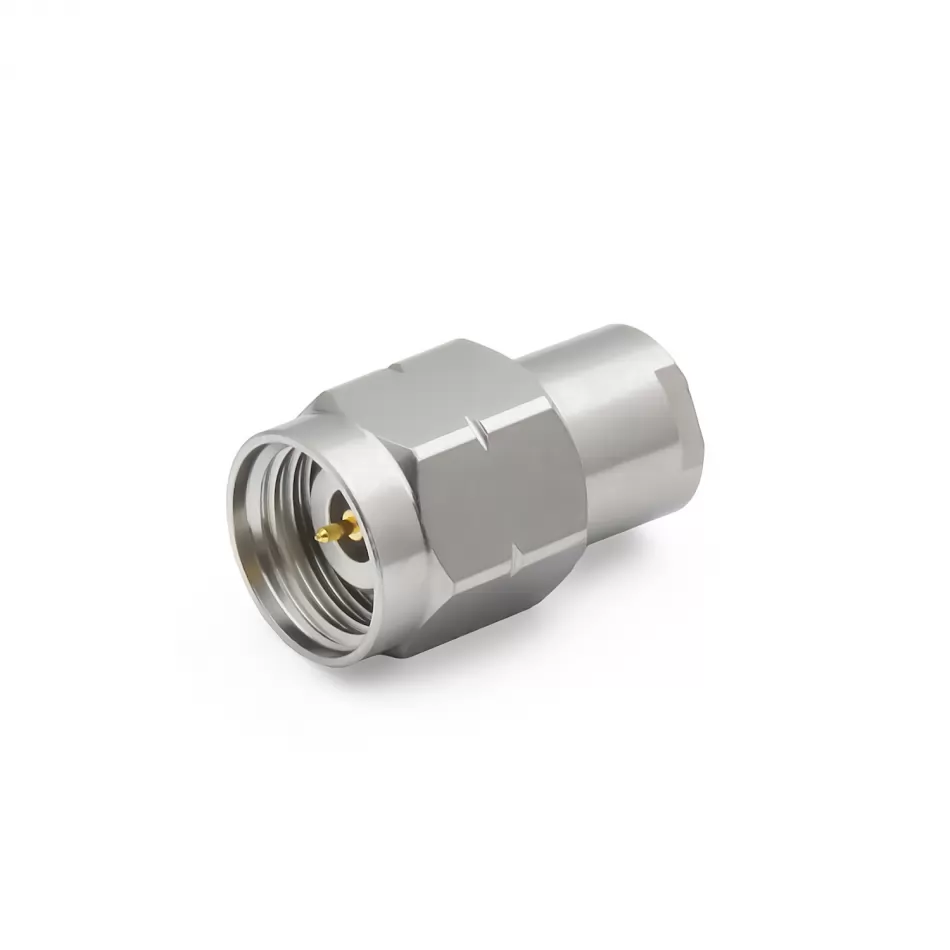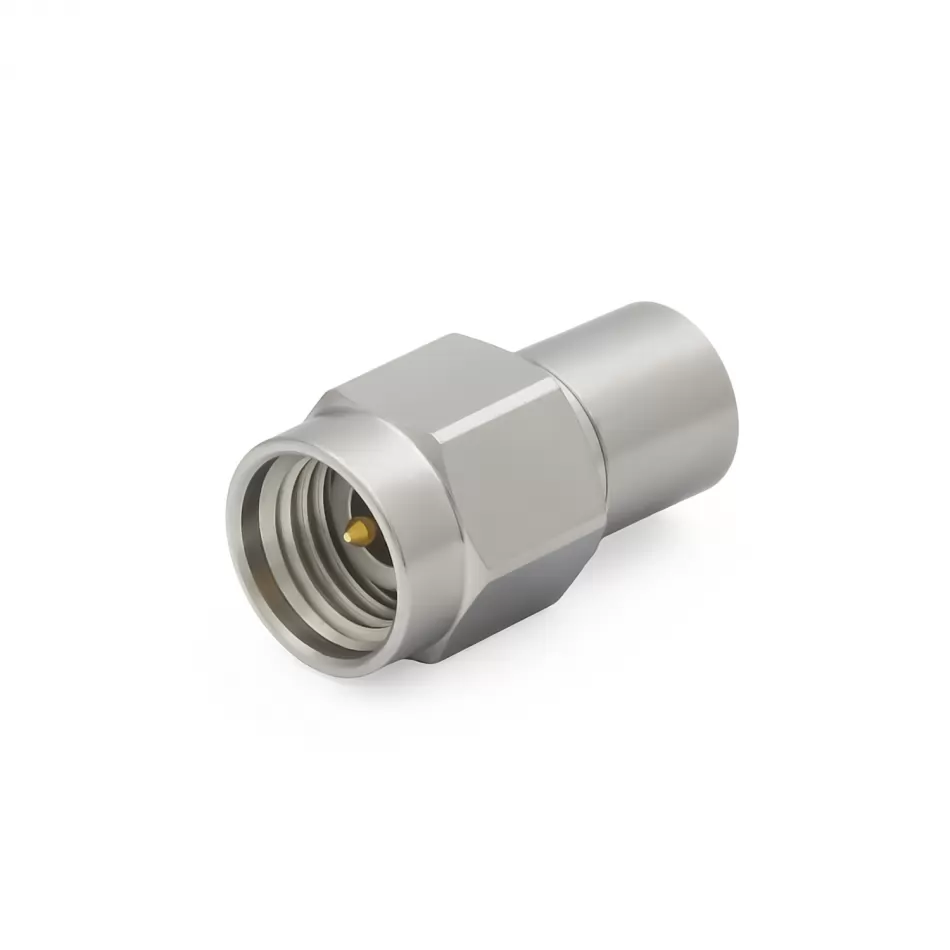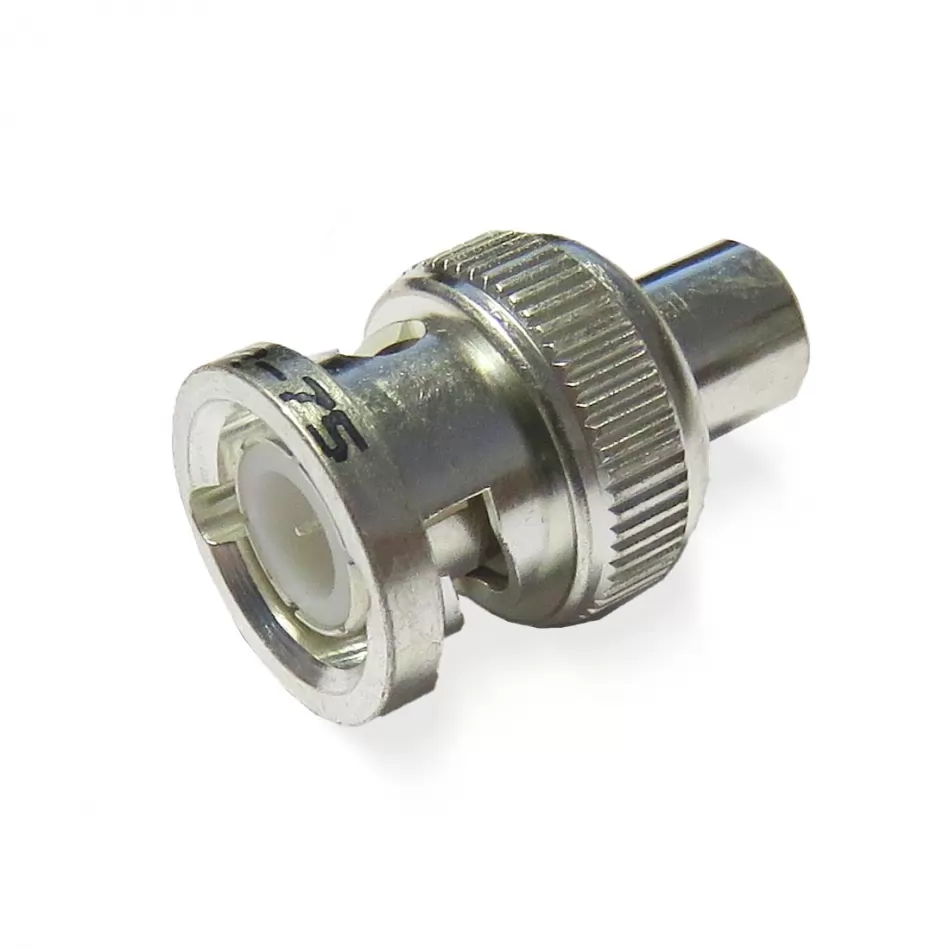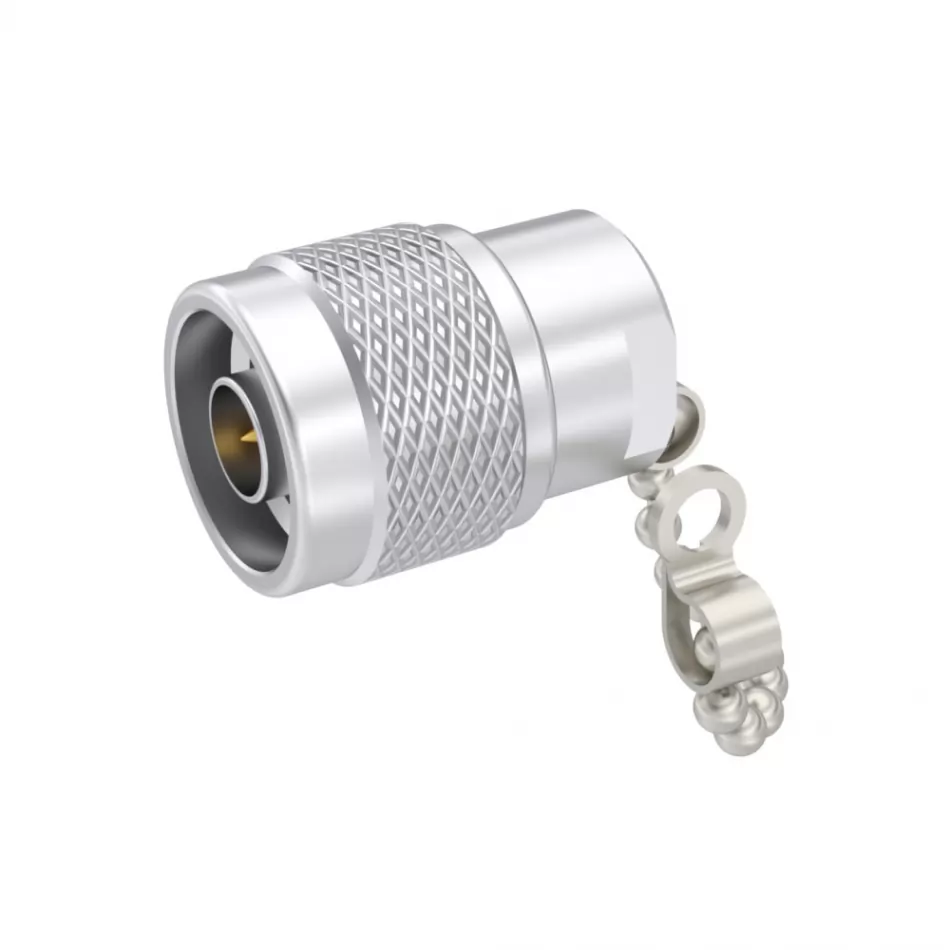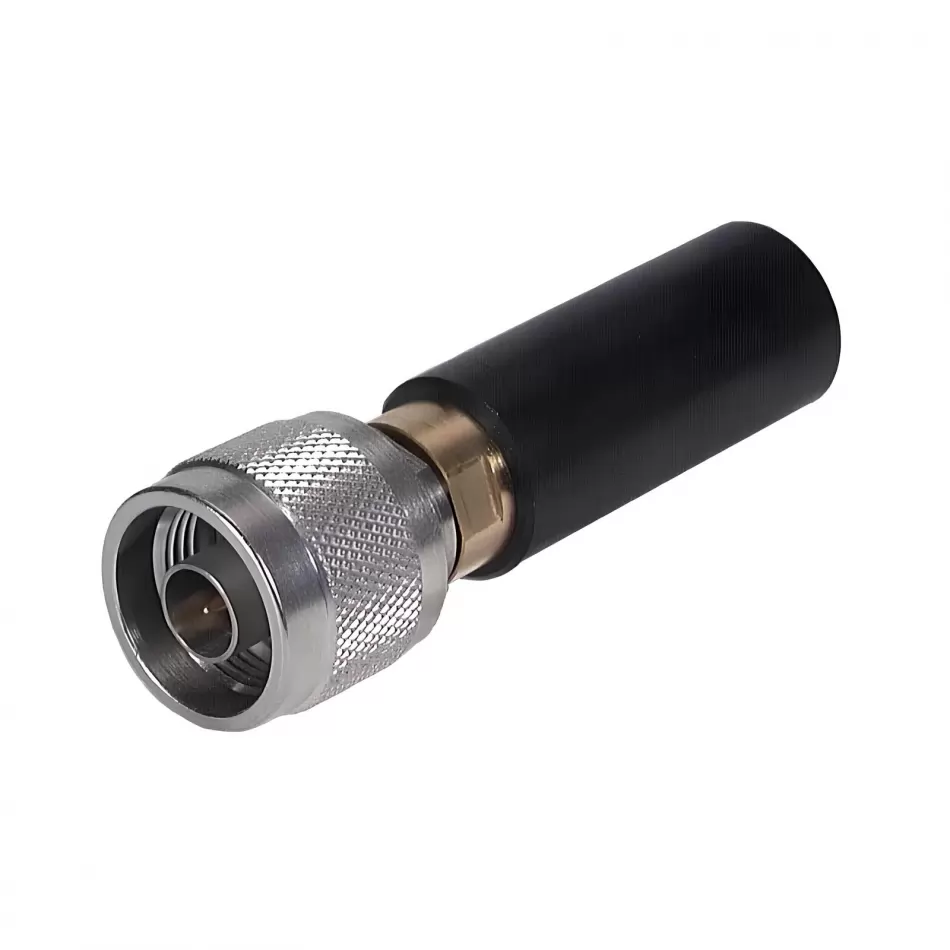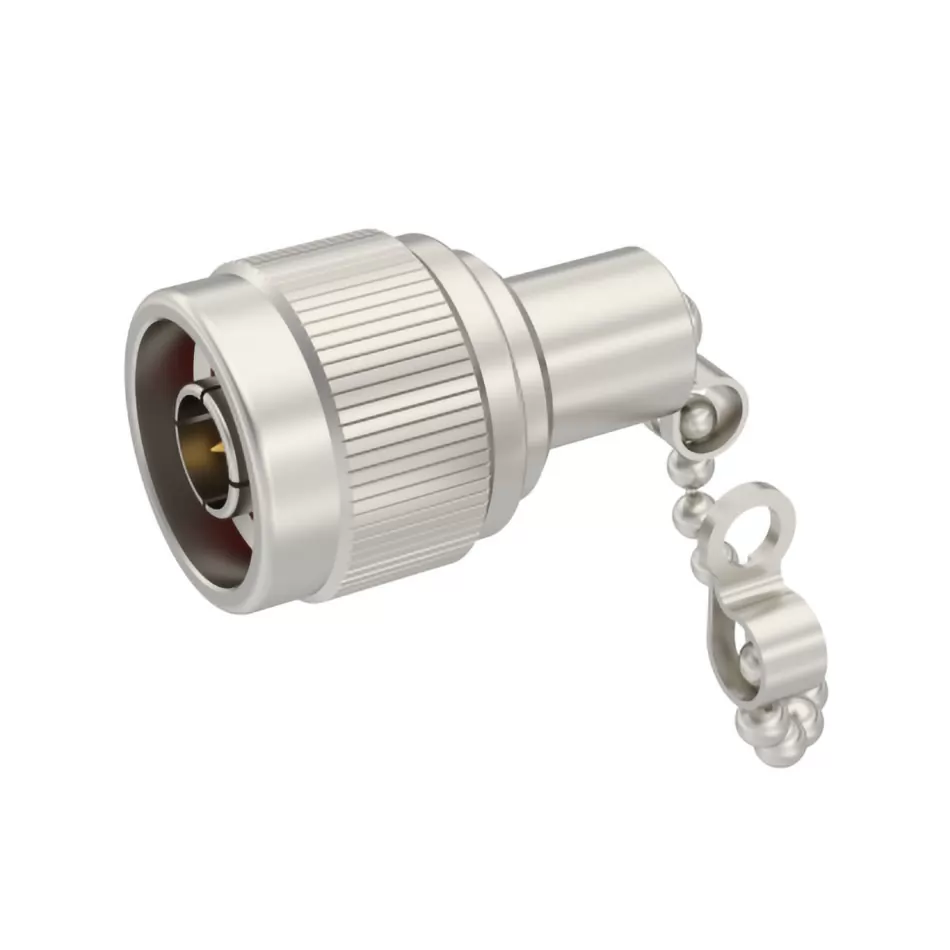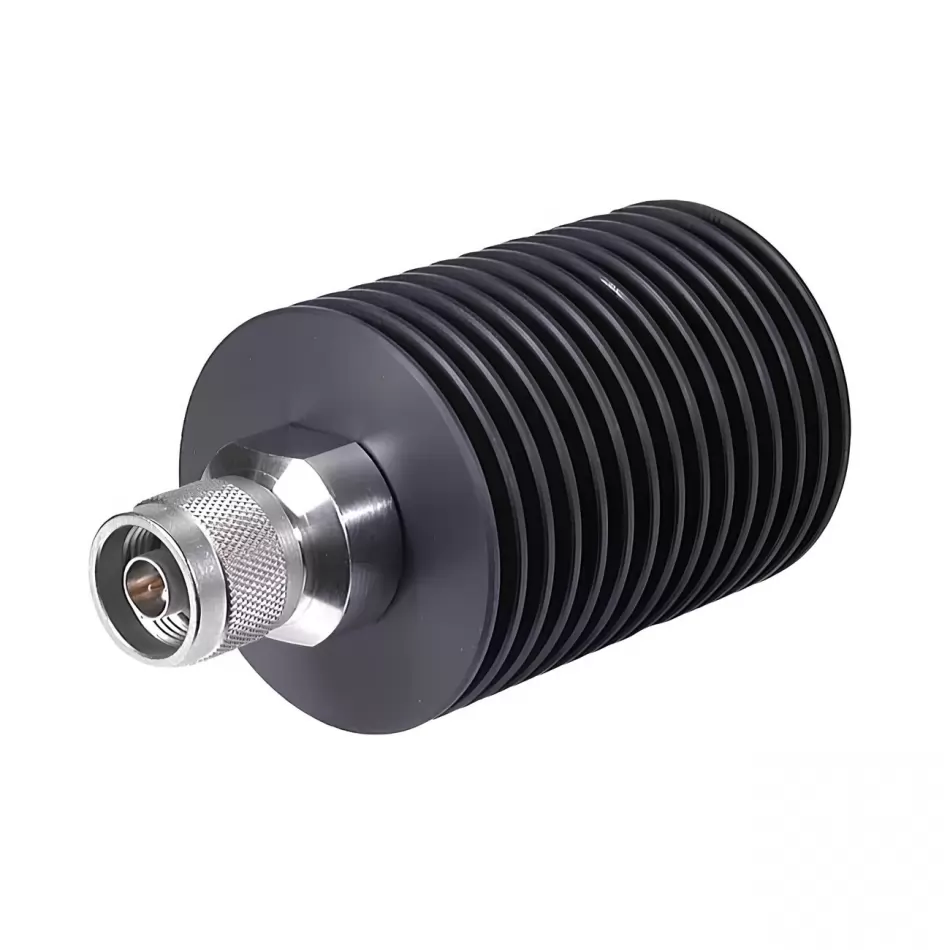
Browse coaxial RF terminations for impedance matching, test setups, and unused port termination in RF and microwave systems. The range includes 50 ohm and 75 ohm models with common interfaces such as SMA, N, BNC, TNC, 1.85 mm, and 2.4mm for lab and professional applications.
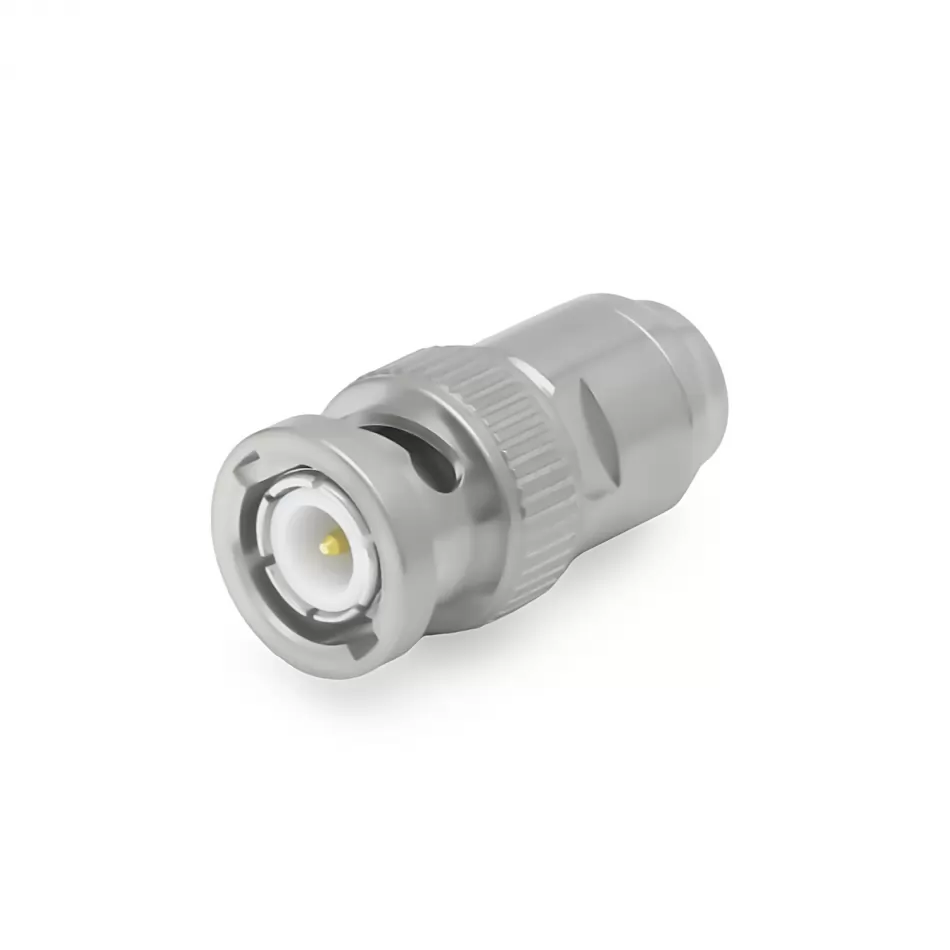
Order code: TC-BNC-01
Huber+Suhner 65_BNC-50-0-1/133_NE
Stock: 5 pcs
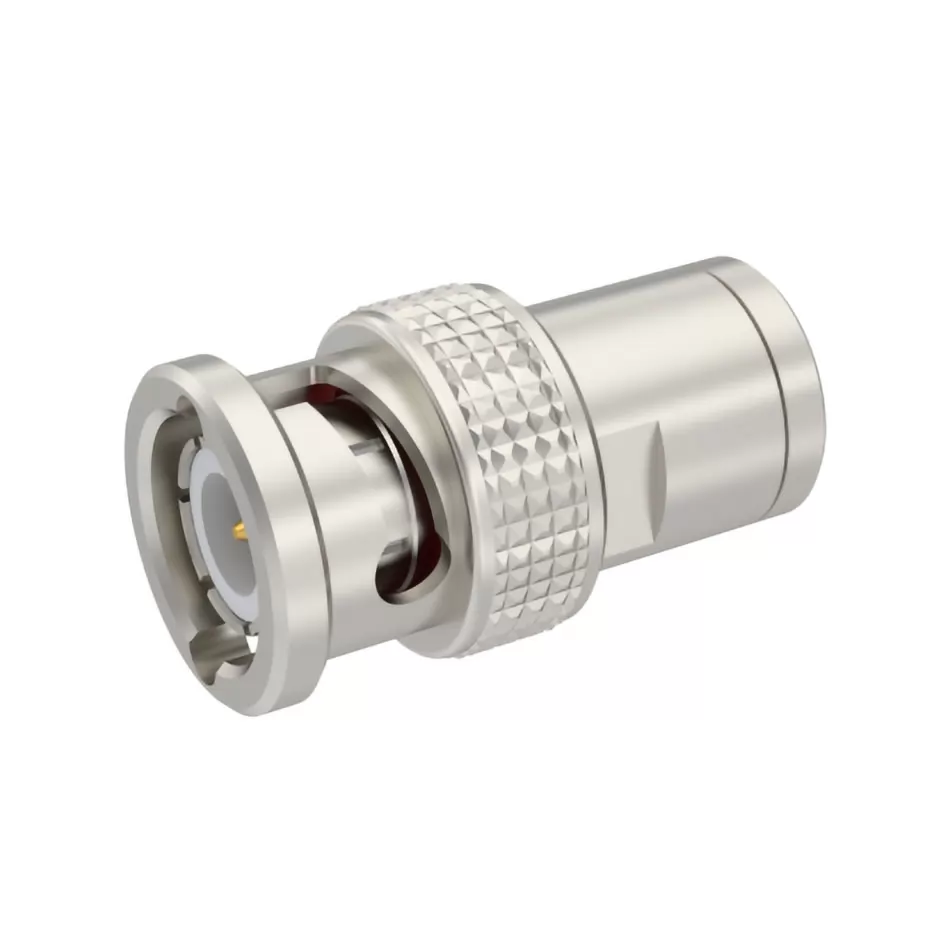
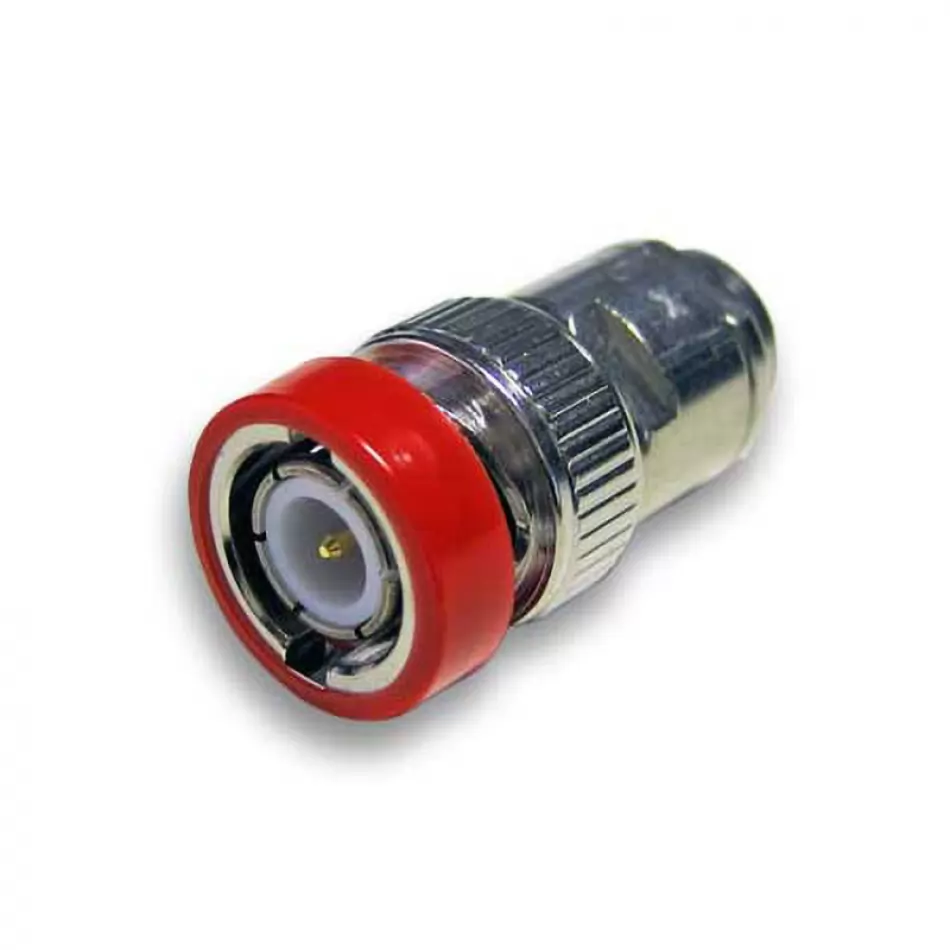
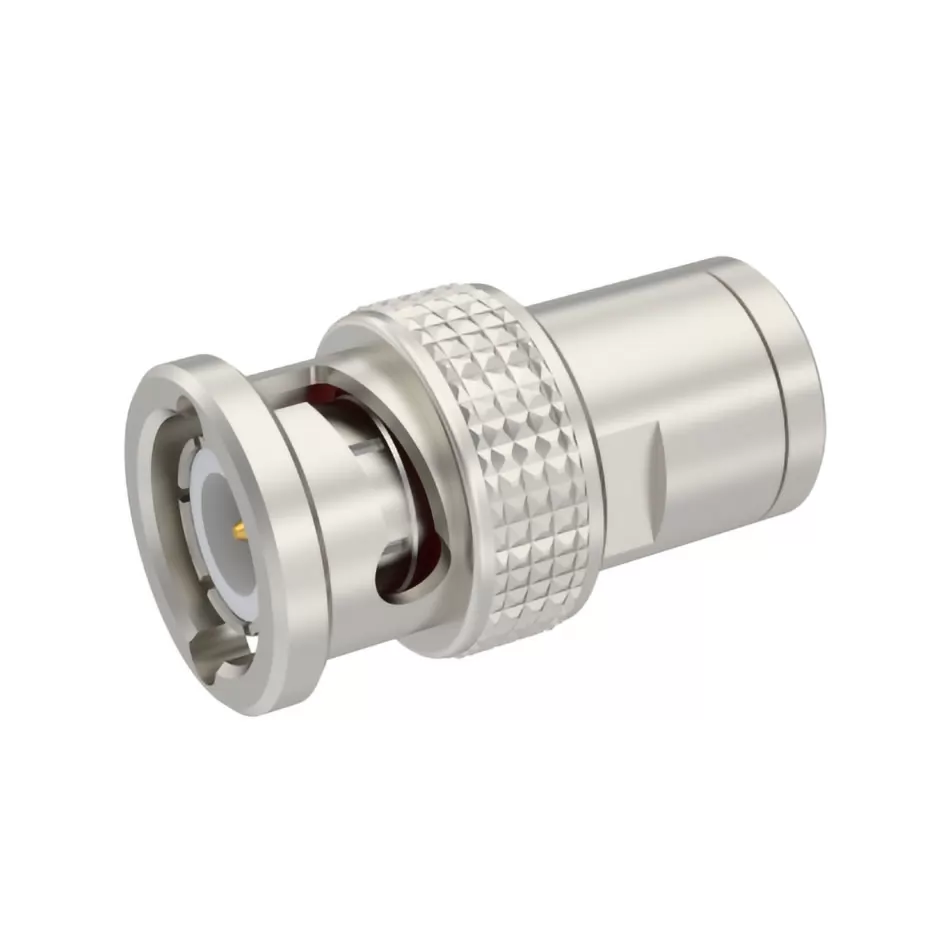
Order code: TC-BNC-12
Huber+Suhner 65_BNC-50-0-5/133
Stock: 152 pcs
Order code: TC-SMA-01
Huber+Suhner 65_SMA-50-0-21/11-YE
Stock: 85 pcs
Order code: TC-SMA-10
Huber+Suhner 65_SMA-50-0-1/199_NE
Stock: 44 pcs
Order code: TC-SMA-51
Stock: 133 pcs
Order code: TC-SMB-01
Huber+Suhner 65_SMB-50-0-1/111_NE
Stock: 71 pcs
Order code: TC-SMC-01
Huber+Suhner 65_SMC-50-0-1/111_NE
Stock: 20 pcs
Order code: TC-TNC-01
Huber+Suhner 65_TNC-50-0-7/133_NH
Stock: 85 pcs
Coaxial RF terminations, also referred to as coaxial dummy loads, are passive components designed to absorb RF power and provide proper impedance matching on coaxial lines and ports. They are widely used in RF and microwave systems, test benches, and measurement setups to terminate unused ports, protect output stages, and maintain stable operating conditions.
This category brings together coaxial terminations for professional applications across different connector interfaces, nominal impedances, and power levels. The available range supports both general-purpose RF work and higher-frequency requirements, depending on the selected interface and model.
Selection usually starts from a few key technical parameters:
The category includes coaxial RF terminations with commonly used interfaces for labs, telecom equipment, and RF subsystem integration. Both 50 ohm and 75 ohm versions are available to support different line architectures and application needs.
The choice between a 50 ohm coaxial termination and a 75 ohm coaxial termination depends on the characteristic impedance of the system. In most RF and microwave environments, 50 ohm is the standard reference, while 75 ohm is used in more specific signal-chain applications. Using the wrong impedance can introduce mismatch, reflections, and unreliable measurements.
It is a resistive load designed to absorb RF power at a coaxial interface while preserving the correct impedance match of the system.
It is used to terminate unused ports, support safe testing, and reduce reflections that could affect RF line behavior or measurement accuracy.
You should match the characteristic impedance of the system or instrument. Most professional RF systems use 50 ohm, while 75 ohm applies to specific architectures.
The connector should match both the port interface and the required frequency range. SMA, N, BNC, 1.85mm, and 2.4mm each serve different operating needs.
Yes. The termination must safely dissipate the expected RF power to avoid overheating, drift, or premature failure.
Use the available filters to narrow the selection by connector, impedance, frequency, and power and find the right coaxial RF termination for your application.